Showing posts with label Winter birding. Show all posts

Monday, 25 January 2016

Exploring Penzance and Mount's Bay

Despite a rather bleak forecast for the day, I decided to join forces with fellow photographers Max Thompson, Jack Burton, Jack Barton and Rhys Kaye, and head down to the coast around Penzance for the day. A few tempting long-staying rarities in the form of Pacific Diver and Hudsonian Whimbrel were enough to give the extra boost of enthusiasm to our day out, despite heroically dipping on both during our visit.

We arrived at Penzance mid-morning, and walked along the shingly beach to Newlyn harbour, scanning through the gathering flock of 150+ Herring, 5 Lesser Black-backed, 30+ Greater Black-backed and Mediterranean Gulls on the beach front. The tide was quite low, which made it difficult to scan the sea for any divers present offshore; nevertheless, we were consoled by a single Great Northern Diver within Newlyn harbour, which was feeding alongside some 10 Cormorants. After brief scan of the gulls in the harbour, we were pleased to come across the smart first-winter Glaucous Gull which has been frequenting the area recently. It gave superb views, being seemingly unaffected by our close proximity, and so we were treated to a good half hour watching the bird here.

We then decided to head over to the far side of Marazion to Prussia Cove, with the aim of walking back along the stunning stretch of coastline in search of the Hudsonian Whimbrel (where it had recently been seen). After a misty and very grey start to the day, the clouds cleared away, the wind eased, and a bright sunny sky prevailed for the afternoon - this allowed temperatures to soar to around 16'C! A comfortable temperature for January...

The walk along the coast from Prussia Cove around to Perranuthnoe was stunning - a superb stretch of coastline. There was plenty of wildlife out and about too, with Kestrels hovering overhead, a couple of Black-throated Divers lingering in the bay, a handful of Fulmars eyeing up potential nest sites on the cliffs, and a pair of Buzzards being harried by Carrion Crows. We were surprised not to come across any flying insects, although Gorse Shieldbugs were present in good numbers within the spiky rosettes on the European Gorse bushes. A relatively long hike with several exploratory detours eventually terminated in a characterful little tea shop in Perranuthnoe for sunset. We were then informed that we had been looking in the wrong area for the Hudsonian Whimbrel, and that it was in fact roosting amongst a flock of Curlews further around the coast; a sprint along the coastal path in the dying light of the afternoon saw us desperately scanning the various bays, but no such flock was found. Hopefully we'll have better luck next time!

A great trip in another picturesque part of Cornwall - thanks to Max for the chauffeur service!

Smuggler's Cove, on a ridiculously warm and pleasant January afternoon!


This smart first-winter Glaucous Gull has been frequenting the area around Penzance and Newlyn for the last few days, so it was great to come across it at such close range within Newlyn harbour. Certainly the closest I have been to one of these beasts!

a tame Oystercatcher forages around for some wriggly prey, a fair sight easier than its usual bivalve diet requiring a tactical employment of its stout bill.  This individual actually revealed itself to have a 'stump' as its right leg, although this didn't seem to impede its feeding

Common Kestrel 

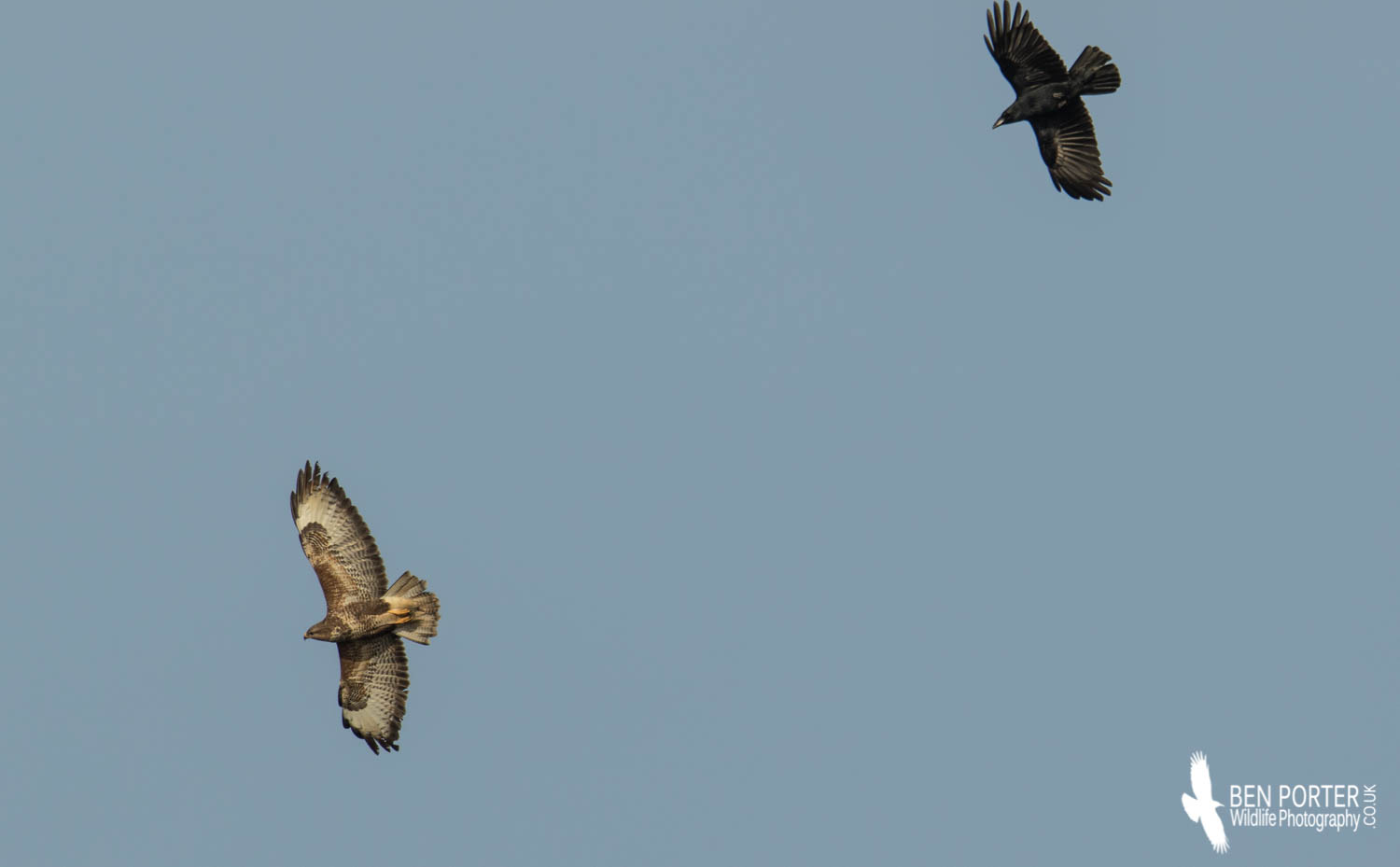
A pair of Buzzards along the coast towards Perranuthnoe were being mobbed fairly determinedly by the local Carrion Crows 

St Michael's Mount and Marazion, as the low cloud cleared away

Stackhouse bay, on the way to Perranuthnoe

Perranuthnoe - just a little late for picking out a Hudsonian Whimbrel along the tideline!


Wednesday, 30 December 2015

Stormy is the word!

Since getting back to the island at the beginning of the month, we have been beset by an almost endless barrage of low pressures and storm systems, culminating in 'Storm Frank' yesterday. For the most part, this has produced quite a lot of rather dull days, prevailed by heavy rain and strong winds. However, every now and then the sun makes a shy appearance, and turns the bleak landscape into a beautiful display of colour: the spray of waves catching the late afternoon sun; Choughs gleaming as they bank and glide aerobically prior to landing; the endless tones of blues, greys and whites that make up the colour of each rollings wave.

So for some of the time during the last few weeks, it has been very pleasant to be outside, with plenty of great photographic opportunities, and enough wildlife to keep one entertained. It has been great to see two new Grey Seal pups appear on the beaches around the Narrows over the last two weeks, which have only just managed to escape the very high tides and stormy weather. Equally, watching the moulted seal pups that are now independent has been amusing too: some have adopted certain rock pools around the coast where they will play for hours in the shallows.

In terms of birdlife, passerines have been in short supply during the windy conditions, but waders and gulls around the Narrows have provided plenty of interest. There appear to be two Whimbrels overwintering this year, with overwintering populations of around 25 Turnstones, 10 Purple Sandpipers, 100 Oystercatchers and 14 Redshanks. Every day a small feeding flock of Kittiwakes trails around the island along the various tidal currents, feeding on churned up morsels of fish and invertebrates. Occasionally this flock (numbering around 140) contains a few Little Gulls and the odd Mediterranean Gull, with plenty of Common Gulls and Herring Gulls tagging along now and then.

All in all it has been a great few week's break from uni, although whether the weather will allow us to return to Falmouth to continue the next term is another matter!!

Here is a selection of images taken during my time back on the island:
 Dad and I took the advantage of a rare clear (ish) night to take a star timelapse sequence and also snap a few images down in the bay in Henllwyn. This is a 25 second exposure at ISO 320 (6D of course!)

A Grey Seal bull emerging from a mass of sea foam!

Grey Seal with a bit of bokeh

Moulted pup peeking over some sea foam

Scratchy seal

Kittiwake scaling a breaking wave

Common Gull

Turnstones in the splash zone

Herring Gull

Purple Sandpipers- there don't appear to be as many as usually overwinter here, but it is nice to see them

Chough in-coming!

It was brilliant to spot this Jack Snipe sitting tight whilst walking up through the wetlands a few days ago!!

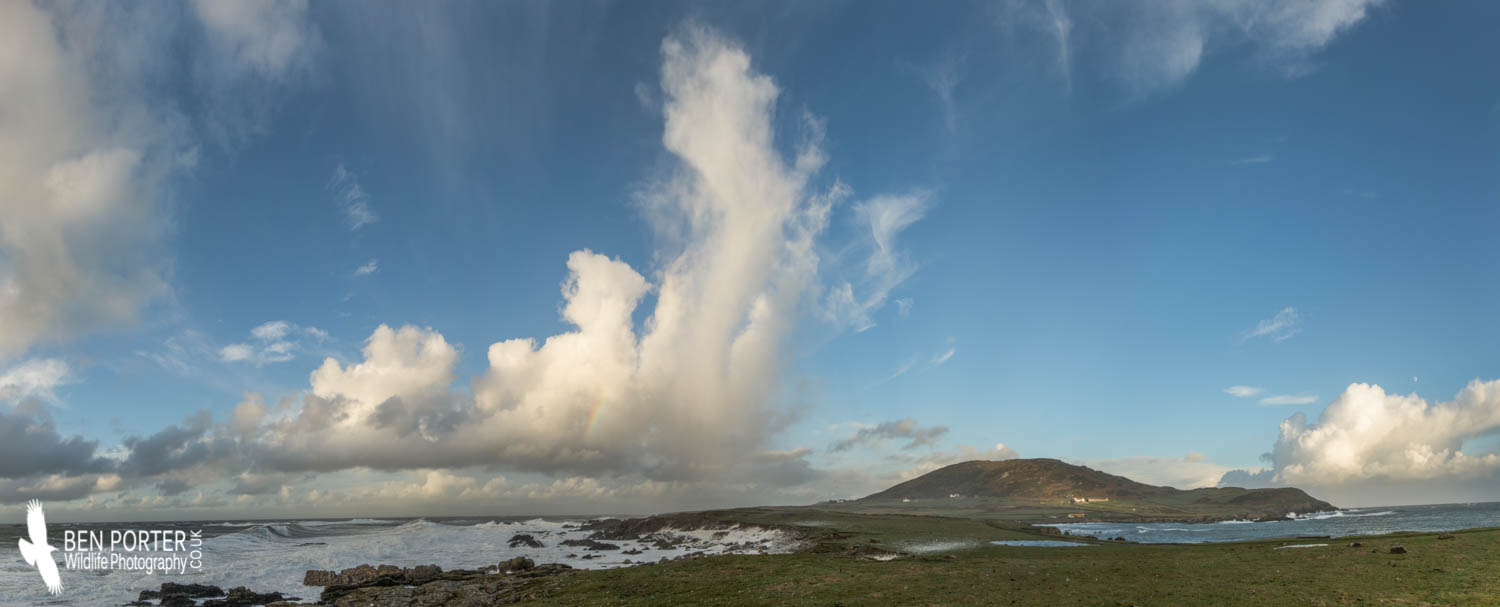
Panoramic of the island from the south end

It has been very cool to see so many By-the-wind Sailors washing up on the island- such fascinating creatures (check out my advent post on them here)

These Goose Barnacles had chosen a novel piece of floatsom to commandeer! Goose Barnacles are species of Crustacean, and lead to one of the more impressive myths before the knowledge of migration: it was thought that Barnacle Geese originated from these barnacles, spending the winter in this form before emerging as geese in the spring!

I have also been attempting a few timelapse sequences during my time here...


Friday, 20 November 2015

Birding the Hayle Estuary - 19th November

I spent much of yesterday morning birding the Hayle Estuary (north Cornwall) with fellow birder and photographer Max Thompson. Despite the heavy drizzle that presided throughout most of our visit, we saw a respectable selection waders and waterfowl. This was partly due to the high tide forcing many birds into the inner marsh and close to the road, making birding easier.

Spending our first hour in the hide near the inner marsh, we were pleased to see the two Spoonbills that have been present here for sometime, after the pair flew in and landed not far away. It was great to see some 140 Lapwings, 14 Redshanks, 12 Curlews, two Goosanders, two Snipe, two Bar-tailed Godwits and a Greenshank from the hide too. We spent quite a while being entertained by the persistent plunge-diving feeding technique deployed by a particular Black-headed Gull directly in front of the hide (see below).

Venturing towards the estuary side after the rain had eased somewhat, we came to the bulk of the birds that reside in the Hayle: wildfowl. There must have been some 700 Wigeons and 120 Teals spread out in loosely-clustered flocks along the roadside, trying to avoid the worst of the weather. A high tide roos of gulls included around 170 Herring, six Lesser Black-backed, eight Greater Black-backed and 20 Mediterranean Gulls. We could also pick out 13 Shellducks, 13 Turnstones, a Ringed Plover and four Dunlins. It was great scanning through this multitude of birdlife and seeing what we could pick out. I look forward to heading back soon. Here are some shots from the day.

The inner marsh and hide at Hayle

Tufted Duck

Black-headed Gulls

The cool plunge-diving technique deployed by this Black-headed Gull was cool to watch

Little Egret

Spoonbills!

Wigeon numbers are really building around the Cornish coast now

Dunlins

Monday, 9 November 2015

Some late autumn birding

The weather has really shifted over the last week or two, and it now feels that we are truly saying goodbye to autumn, and entering the grey embraces of winter. Still, it isn't all doom and gloom, with stunning displays of colour still remaining in the form of autumnal leaves adorning the trees of broadleaf woodlands. Despite the grey, wet and windy weather experienced in the last week, there are still plenty of birds around, and this has provided plenty of interest in between lectures and revision for exams.

Winter tit-feeding flocks are becoming a familiar sight in woodlands all around the nearby reservoirs and gardens, with some lovely scarcities hiding amongst the common species. The constantly chattering gatherings of Long-tailed, Blue, Great and Coal Tits have been joined Goldcrests and Firecrests in some areas (the campus and college reservoir seem to be the best sites for these cracking birds), although the latter have been a little scarcer. It was a very nice surprise this morning (9th) to come across a smart Yellow-browed Warbler amongst a small flock on campus- not every university is able to lay claim to frequent Yellow-browed Warblers on campus!

Thrushes have now well and truly pitched up in the surrounding areas, although no doubt some proportion of the thousands of birds moving through have continued on down to winter on the nearby continent. It has been great to see holly, spruce and hawthorn bushes covered in Blackbirds, Redwings and Song Thrushes, whilst loose flocks of Fieldfares and Mistle Thrushes appear every now and then in the farmland. Skylark flocks have settled into the stubble fields adjacent to our caravan site, and a few days ago I saw a singing male Woodlark amongst them! In addition, Starlings (in far lower numbers than I would like), Chaffinches and Linnets are all making use of the stubble and newly-ploughed fields around Mawnan Smith.

To the coast, the windy and wavy weather has produced some sizeable feeding flocks of Black-headed Gulls, but I haven't been able to pick out anything particularly different as yet, besides the usual overwintering Mediterranean Gulls. I am really looking forward to when the winter divers and grebes build in number in the estuaries and bays around the coast. Perhaps the Pacific Diver will make an appearance soon?

Here are a selection of images from the last couple of weeks:

Firecrest numbers seem to have dropped off a little in the last week or two, with just the occasional bird popping up around campus, and a few tagging along in the feeding flocks around the nearby reservoirs
The Yellow-browed Warbler present at the bottom of Penryn campus this morning- the third on campus in a month!!
There are plenty of Goldcrests around, particularly around the sallows at the reservoirs

It has been really cool to watch these superb birds, as I rarely get the chance to watch Long-tailed Tits on Bardsey

Great Tit

Jays continue to stash up acorns ahead of the winter, although many of the oak trees are running out of seeds now

Third-winter Mediterranean Gull? Up to 10 can be seen on Gylly Beach in Falmouth

Black-headed Gulls