
I will endeavour to post more regular updates during my time on Bardsey over easter, as spring migrants arrive and a host of interesting insects emerge. I am hoping to stay on the island until late April at least, with the laxity of third uni term dictating that four exams mid-May are the only pressing needs to return south for!
So anyway, here a few highlights and images from Ynys Enlli over the last week - and what a first few days it has been!

These impressive clouds rolled over during the morning of the 25th, and provided a great opportunity for some landscapes

One of the coolest things waiting for me upon return was this dead Turtle in our compost! A day visitor had come across this unfortunate reptile a few weeks ago, and had given directions via email as to where to find it. After a getting input from a variety of people online, it was revealed that it is in fact a young Green Turtle - only the third ever recorded in Wales!
This species' range extends in a broad belt around the tropics and subtropics, and is classed as endangered by the IUCN due to the large number that get caught up in fishing gear, and also the loss of suitable beaches for nesting.
The main excitement at the moment is focussed on avian fauna, with the first few migrants arriving on the island over the last week. We have already had some of the classic spring migrants like Wheatears, Swallows and Chiffchaffs, but a host of other interesting species have been around too.
Here is a list of the avian migrants that have arrived so far - plenty more to come!
- Chiffchaff: 12th March
- Northern Wheatear: 12th March
- Manx Shearwater: 13th March
- Black Redstart: 14th March
- Blackcap: 23rd March
- House Martin: 25th March
- Sand Martin: 26th March
- Willow Warbler: 26th March
- Swallow: 29th March (first March record since 2012)
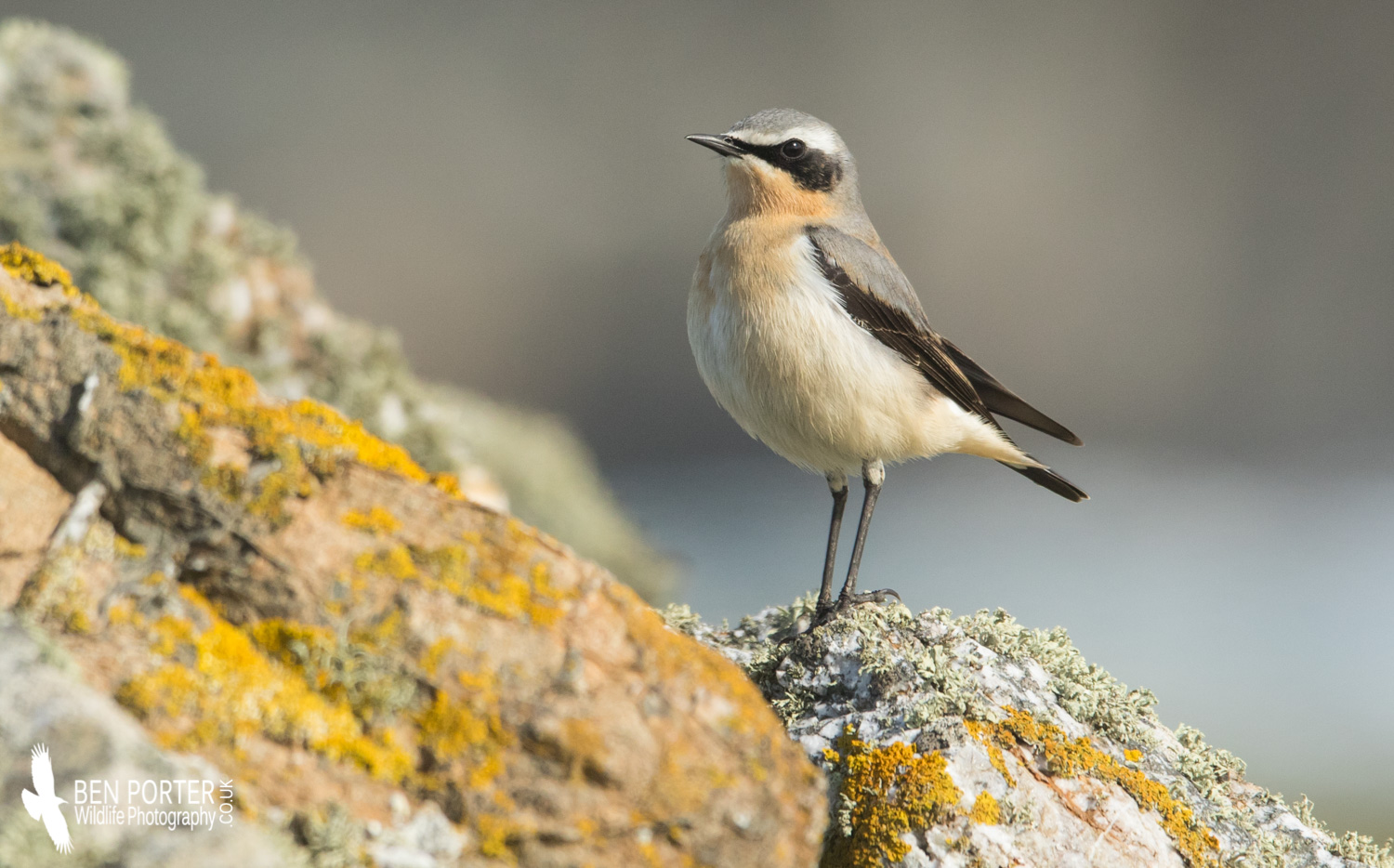
Northern Wheatear - most of the birds that have arrived so far have been males (>90%), which is partly because they will try and reach suitable breeding sites to set up their territories before females arrive

Chiffchaffs have been steadily increasing in number, with a count of 42 on the 31st being the highest total so far. Not all of the arrivals will be 'true' afro-tropical migrants, but the presence of 'pollen horns' at the base of the bill is a sure indication of the origin of some - these horns are where the feathers have stuck together due to the accumulation of pollen derived from feeding on the nectar of plants through the Mediterranean region en route


Not a species we usually conceive as being a migrant, but Stonechats also arrive in good numbers from the continent, and bring with them an impressive variety of mimicry in their punctuating songs. I couldn't quite believe it when I heard one producing a Peregrine's call, along with Sandwich Tern and Swallow!

This utterly amazing female Long-eared Owl was trapped by Steffan in the Heligoland trap on the morning of the 31st, becoming the first to be ringed on the island since 2012! We saw the bird later in the day associating with two Buzzards, before the trio caught a thermal and worked their way up to cloud base within the space of about two minutes - who knows where it is now!
You can check out a map and table detailing recoveries of ringed Long-eared Owls in Europe by following this link to the BTO website...click here

Goldcrest numbers have been increasing when conditions dictate - yesterday, for example (31st), the island was covered in these tiny warblers, amounting to no fewer than 154 individuals! We trapped and ringed 64, and their weights varied from very light indeed (4.7g) to well-fed (5.9g). Most of the trapped birds were 2nd calendar year males, with fiery-red centres to the crest and pointy tail feathers


the island's breeding pairs of Choughs have been flying overhead with beak-fulls of various nesting materials recently. Some have been collecting bits of gorse twigs, whilst others have been gathering large white pompoms of sheep's wool - they look quite comical in flight! Hopefully the island's eight or nine pairs of breeding Choughs will have a good season
The night sky over the last two days has been breathtaking, and so I took the opportunity to try out a few night-scapes...

This image is looking south-west over Bardsey Lighthouse towards southern Ireland (the small patches of light pollution on the horizon), and the constellation of Orion is visible to the right of the South End.
The brilliant thing about being out on such a calm night is hearing the calls of the Manx Shearwaters ringing out overhead. Here is a recording of a couple of birds in their burrow...
And finally, a few insects...

Bumblebees have been appearing all over the island, particularly attracted to the pussy willows and pollen-rich buds of the Willow. Two species have been seen so far, and most sightings have involved large Queens that are seeking out a suitable site to rear a colony. This is Bombus lucorum, or the White-tailed Bumblebee

This smart Hawthorn Shieldbug was amongst the moths in my heath trap on the 29th - I haven't seen this species of shieldbug on the island before, although they are a common species elsewhere, and there is plenty of suitable habitat for them on the island

This fluffy orange caterpillar was wandering about in the grass near the plantation, and is a Buff Ermine caterpillar - it was probably looking for somewhere to pupate ready for its emergence in late Apri/early May. It will take slightly warmer temperatures than at present to encourage more species to emerge!

This curious and miniature Woodlouse is an Ant Woodlouse (Platyarthrus hoffmansegi). Amazingly, they live most of their lives underground and beneath rocks in the nests of various ant species, such as this Black Ant (Lasnius niger). It is thought that the ants tolerate their ghostly presence because they clear the next of debris and faeces. On the island, they can be found around Ty Pellaf and the Limekiln in the banks
Keep up to date with news from the island/my photography at the following sites...


